





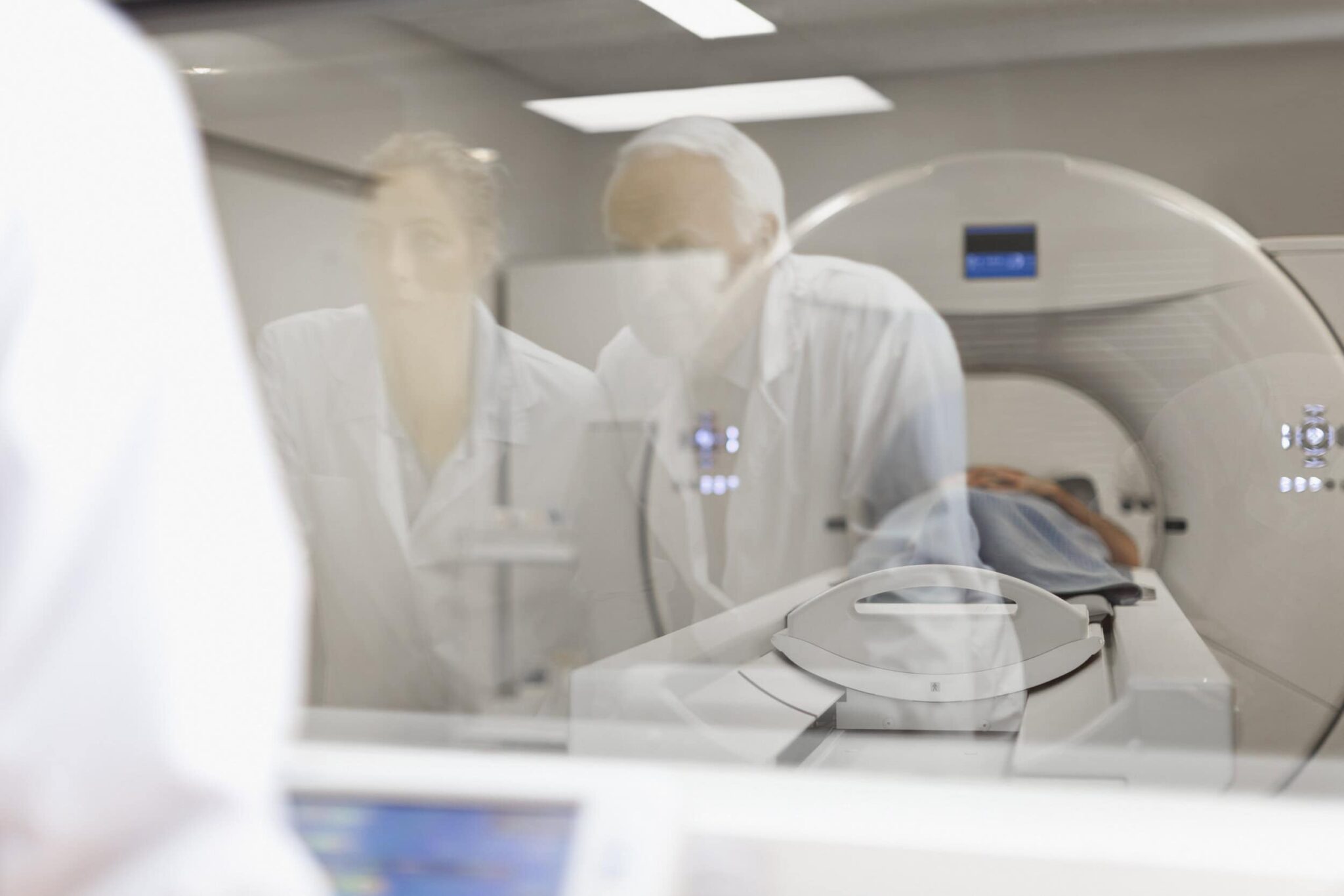
Spring in a healthcare facility means a lot of things happening behind the scenes. Engineering teams work through their checklists, HVAC systems get inspected, boilers evaluated, backup generators tested. It’s the kind of unglamorous, essential work that keeps everything else running smoothly, and most patients never know it’s happening.
Linen processing works the same way. It touches nearly every department in a facility every single day, and yet it rarely makes it onto the seasonal review list. That’s worth reconsidering. The same operational discipline applied to mechanical systems belongs in the conversation around textile processing too.
Linen Processing Is Part of Clinical Infrastructure
Patient sheets, surgical textiles, scrubs, and environmental service items circulate continuously. Their movement is not casual. It is part of a structured system designed to deliver clean, ready-for-use textiles on a consistent schedule.
Hospital linen processing Northeast facilities rely on disciplined workflows. Textiles are sorted, washed, dried, inspected, and prepared for distribution within controlled environments. Every stage depends on documented procedures.
Like mechanical systems within a building, textile processing operates according to defined parameters. Variability is not the goal. Consistency is.
Controlled Wash Parameters Support Predictable Results
Behind each load of healthcare linens is a set of validated wash formulas. Water temperature, chemistry levels, cycle duration, and extraction rates are calibrated for clinical textiles. These settings are not improvised. They are engineered to support both hygiene and textile longevity.
Unitex Healthcare Laundry Services processes linens under TRSA Hygienically Clean certification standards. That certification requires:
- Documented wash processes
- Validated temperature and chemistry controls
- Microbiological testing
- Third-party verification
This level of documentation ensures that results are repeatable. From one shift to the next, the system performs according to established standards.
When facilities review infrastructure in the spring, the same principle applies. Systems must be structured, monitored, and documented to function reliably.
Healthcare-Only Facilities Create Operational Discipline
Hospital linen processing Northeast operations benefit from environments designed specifically for clinical textiles. Unitex Healthcare Laundry Services operates healthcare-only facilities across New Jersey, New York, Connecticut, Massachusetts, and Maine.
There is no hospitality crossover and no mixed commercial processing. Workflows are organized around:
- Patient linens
- Surgical textiles
- Medical uniforms and scrubs
- Environmental service textiles
Dedicated institutional and uniform facilities allow processing streams to remain structured and predictable. Separation supports consistency at scale.
24/7 Operations Support Steady Circulation
Healthcare facilities do not pause overnight, and neither does textile circulation. Hospital linen processing Northeast requires continuous operations to support steady supply.
Unitex Healthcare Laundry Services operates 24/7 institutional plants. Automation plays an important role in maintaining throughput while preserving control. Modern tunnel systems, finishing equipment, and inspection processes function within disciplined routines.
Regional infrastructure provides additional stability. Multiple facilities across the Northeast allow for coordinated coverage and backup capacity. Just as hospitals rely on redundant systems for power and mechanical functions, textile processing infrastructure benefits from geographic support.
Stability Built Over Generations
Operational structure does not develop overnight. It reflects long-term investment and continuity.
Unitex Healthcare Laundry Services has been family-owned for over 100 years, with four generations involved in the business. That longevity supports steady infrastructure development and modernization of healthcare-only facilities.
Family ownership contributes to:
- Long-term facility planning
- Ongoing equipment upgrades
- Structured operational standards
- Regional expansion aligned with healthcare demand
Consistency over time reinforces system reliability. Hospital linen processing is not a short-term service model. It is an essential operational partnership.
Structured Systems Work Quietly in the Background
When spring inspections are complete, HVAC systems resume their quiet role. Boilers continue to generate heat. Emergency systems remain on standby. The success of these systems is measured by their reliability.
Hospital linen processing Northeast operations function in a similar way. Textiles arrive as scheduled. Quality remains consistent. Processing follows documented parameters. Facilities receive the supply they expect without interruption.
This stability depends on controlled wash systems, healthcare-only specialization, continuous operations, and regional infrastructure.
As facilities evaluate critical systems this spring, textile processing stands alongside mechanical and safety infrastructure as part of the broader operational framework.
Hospital Linen Processing Northeast with Unitex Healthcare Laundry Services
Linen processing that runs without problems doesn’t happen by accident. Unitex Healthcare Laundry Services has spent more than a century earning the trust of healthcare facilities across the Northeast, with healthcare-only operations, TRSA Hygienically Clean certified processing, and the regional infrastructure to back it up.
If you’re ready to work with a partner who treats linen processing as seriously as you do, reach out to Unitex Healthcare Laundry Services today.