





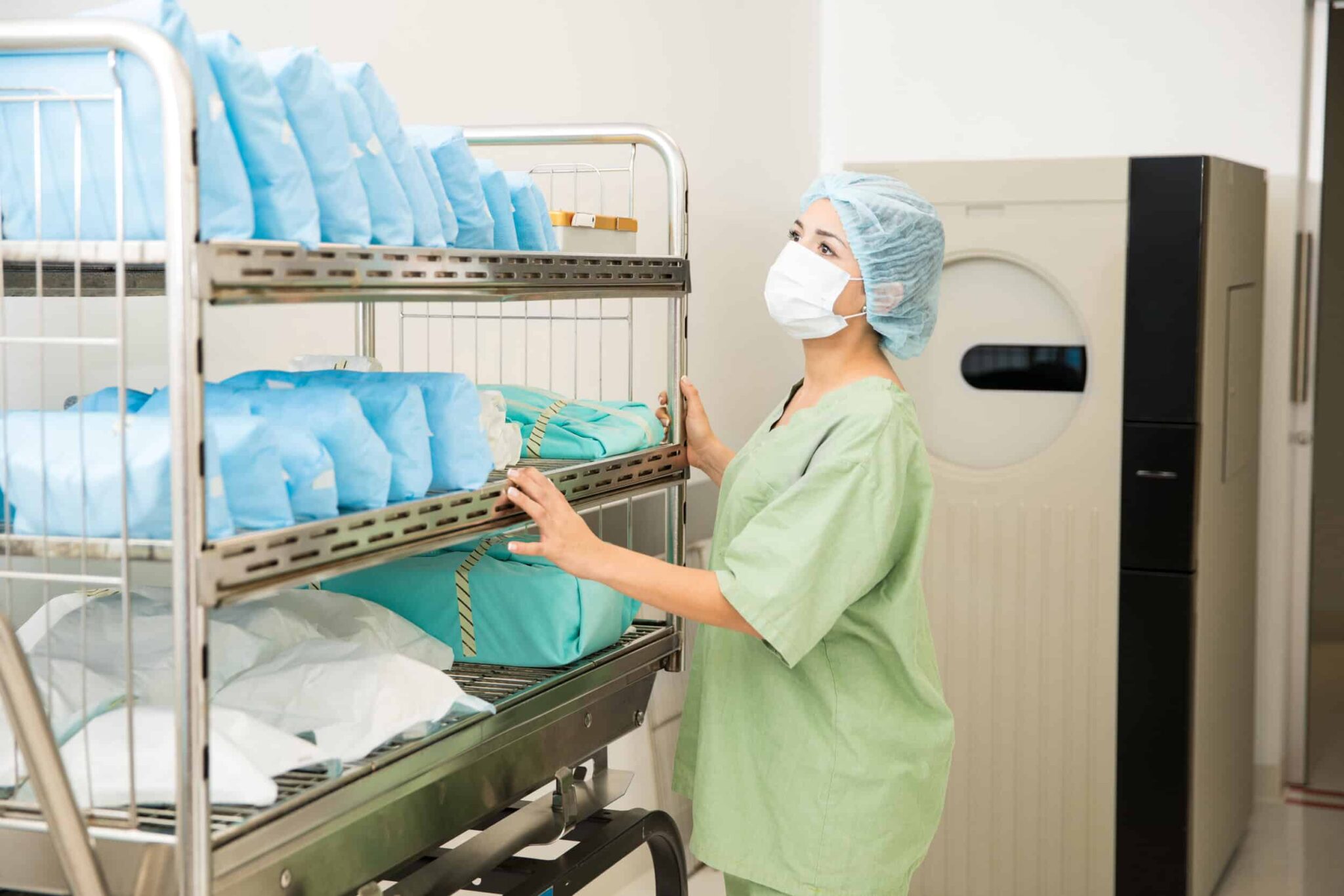
Outpatient surgery centers operate in an environment where margins for error are extremely narrow. Tight surgical schedules, rapid room turnover, and high patient expectations leave no room for inconsistency in support services. Among the most critical of those services is the availability of hygienically processed surgical linens that support aseptic technique and protect patient safety.
For administrators overseeing ambulatory surgery centers across New England, the role of a reliable medical laundry service extends beyond logistics. Linen quality, processing controls, and consistency directly affect infection prevention protocols and the integrity of the surgical environment.
At Unitex Healthcare Laundry Services, we have supported healthcare facilities for over 100 years, with a specialized focus on healthcare services since the mid-1990s. Our operations are designed specifically for medical environments, including outpatient surgery centers where linen performance must meet the demands of high-stakes clinical care.
Why Linen Control Matters in Ambulatory Surgery Centers
Unlike inpatient hospitals, ASCs operate on compressed timelines. Surgical suites turn over quickly, and linens move continuously between clean storage, procedure rooms, and post-use collection. In this setting, any breakdown in linen availability or quality creates immediate operational risk.
Surgical linens do not replace sterile instruments or sterile processing departments, but they play a critical supporting role in maintaining a controlled environment. Drapes, towels, gowns, and ancillary textiles must arrive clean, intact, and ready for use every time. Their condition influences how effectively surgical teams can maintain aseptic technique throughout the procedure.
A dependable medical laundry service ensures that linens consistently meet hygienic standards without introducing variability into the surgical workflow.
Hygienic Processing Versus Sterilization
In outpatient surgery, accuracy in terminology matters. Surgical linens are not sterilized in the same manner as instruments processed through central sterile departments. Instead, they are hygienically laundered under controlled conditions designed to remove soil, reduce microbial presence, and support infection prevention.
What TRSA Hygienically Clean Certification Requires:
Unitex Healthcare Laundry Services processes surgical linens using validated healthcare laundering protocols that align with TRSA Hygienically Clean standards. This certification ensures:
- Documented wash formulas: Each linen type follows specific, validated laundering procedures
- Verified temperatures: Thermal disinfection protocols meet healthcare standards throughout the wash cycle
- Controlled chemical dosing: Precise detergent, sanitizer, and pH measurements for consistent results
- Routine microbiological testing: Regular sampling confirms hygienic outcomes and pathogen reduction
- Process validation: Third-party audits verify compliance with healthcare laundering standards
The Role of Hygienic Laundering in Infection Prevention:
Properly processed surgical linens contribute to infection control by:
- Removing organic matter and reducing microbial load to safe levels
- Maintaining barrier integrity in surgical drapes and gowns
- Supporting aseptic technique without introducing contaminants
- Meeting regulatory expectations for healthcare textile processing
By maintaining this standard consistently, a medical laundry service supports surgical site infection prevention without overstating the role of linen processing in the sterile field. The distinction between hygienic laundering and sterilization isn’t just semantic. It reflects the appropriate level of processing for each category of surgical textile.
Healthcare-Only Facilities Reduce Risk Variables
One of the most important factors for ASCs is where and how surgical linens are processed. Healthcare-only laundry facilities eliminate cross-industry variables that can introduce inconsistency.
Unitex operates facilities dedicated exclusively to healthcare textiles. We do not process hospitality, food service, or general commercial laundry alongside medical linens. This healthcare-only focus allows our teams to maintain controlled workflows, one-directional processing, and environmental separation between soiled and clean areas.
For outpatient centers, this specialization reduces exposure to unnecessary risk and ensures that surgical linens are handled within systems built specifically for medical use.
Consistency Supports Infection Prevention Efforts
ASC administrators understand that infection prevention depends on systems, not individual steps. Linen programs must function reliably under pressure, especially during high-volume surgical days.
A structured medical laundry service supports consistency by:
- Maintaining repeatable wash and finishing processes: Healthcare textiles require validated laundering protocols that combine mechanical action, thermal disinfection, and chemical treatment to achieve hygienic cleaning without over-processing
- Removing worn or compromised linens from circulation before they reach the OR: Regular inspection prevents textiles with reduced barrier integrity from being used in surgical settings
- Packaging clean linens to protect them during transport and storage: Proper packaging prevents recontamination from dust, debris, and environmental sources during loading, delivery, and unloading
- Delivering on schedules aligned with surgical case volume: Predictable linen availability supports surgical scheduling and prevents disruptions during peak procedure times
CDC guidelines emphasize that hygienically clean textiles carry negligible risk to healthcare workers and patients when these controls are maintained consistently. These controls help outpatient centers maintain predictable workflows and reduce the chance that linen availability or quality disrupts surgical operations.
Why Reusable Surgical Linens Matter in High-Volume Settings
Reusable surgical linens are designed to withstand repeated high-temperature laundering while maintaining structural integrity. In ASCs, where linens cycle rapidly, durability matters as much as cleanliness.
Properly managed reusable programs allow administrators to avoid supply volatility, reduce dependence on single-use products, and maintain stable inventory levels. A medical laundry service experienced in healthcare environments manages this lifecycle so facilities do not need to intervene or adjust internal processes.
Unitex manages linen circulation, inspection, and replacement as part of the service, allowing outpatient centers to focus on surgical care rather than textile management.
Regional Support for New England Outpatient Centers
Outpatient centers across New England require partners who understand regional healthcare demands, seasonal fluctuations, and regulatory expectations. Unitex Healthcare Laundry Services supports medical facilities throughout the Northeast with processing capacity designed for healthcare-only clients.
Our regional footprint allows us to maintain continuity of service, even during periods of increased surgical volume. For ASCs, this means linen support that scales with demand without compromising hygiene standards.
Precision in Linen Processing Supports Precision in Care
Unitex Healthcare Laundry Services brings over a century of experience and a healthcare-only focus to the processing of surgical textiles. Our commitment to TRSA Hygienically Clean standards, reusable linen management, and consistent service supports outpatient centers where precision is non-negotiable.
If your ASC is evaluating medical laundry service providers for surgical linen support in New England, contact Unitex Healthcare Laundry Services through our website. Our team is prepared to discuss how our healthcare-only linen programs align with the demands of outpatient surgical care.